
If you are involved in science, technology, engineering, or research, you will inevitably be asked to write a scientific report. But what exactly is it, and how does it differ from other forms of writing?
A scientific report is a specialized form of academic writing that documents and explains technical or scientific research. Its primary goal is to communicate a scientific or technological phenomenon, process, or outcome in a way that is clear, understandable, and replicable for readers, including those outside your immediate field.
What Makes a Report “Scientific”?
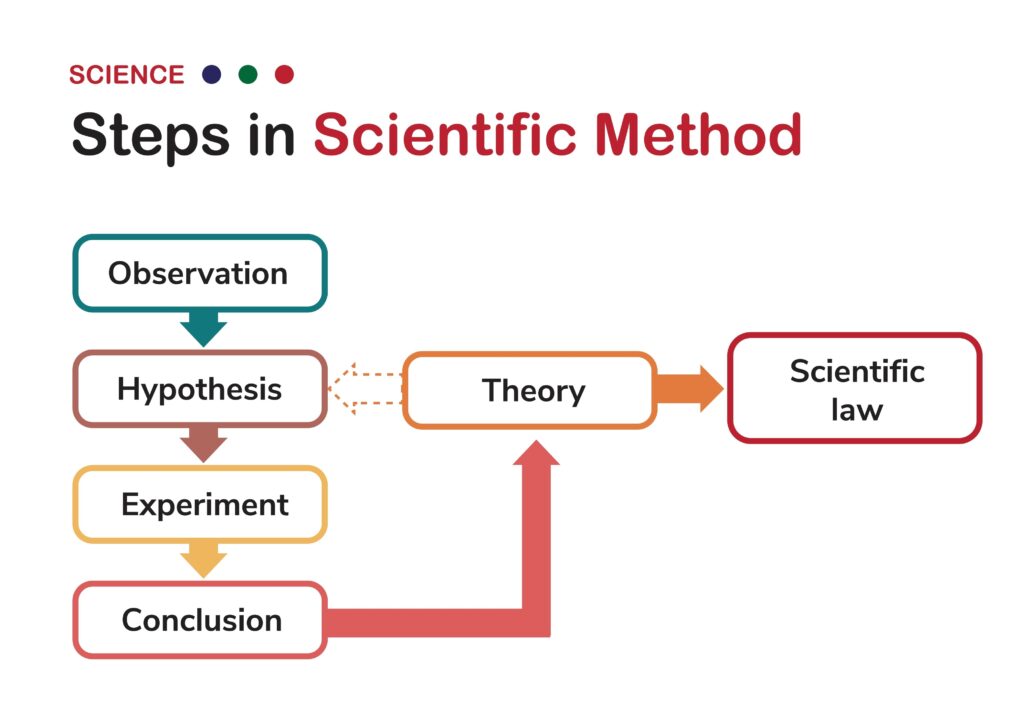
The key characteristic of a scientific report is its strict adherence to the scientific method. This means the report is defined by the following qualities:
- Attention to Detail: Every step of the research must be meticulously documented.
- Reliance on Test Procedures: The findings are based on documented and reproducible experiments or tests.
- Objective Analysis: The conclusions are drawn strictly from the evidence, avoiding personal bias or unsupported speculation.
- Documented Research: All sources, data, and observations are carefully cited and recorded.
- Evidence-Based Observations: All claims and findings must be substantiated by empirical data.
Unlike a casual summary or a field report, the scientific report focuses rigorously on the process, development, and outcome of a research problem. It typically concludes by providing recommendations for further research or applications.
Example: Decoding a Scientific Report Abstract
Even when a scientific report deals with highly technical subject matter, its structure and clarity must allow the reader to follow the research narrative.
Consider this example abstract from a report on medicinal plants:
This work explored the biotechnological potential of the medicinal halophyte Artemisia campestris subsp. maritima (dune wormwood) as a source of health promoting commodities. For that purpose, infusions, decoctions and tinctures were prepared from roots and aerial-organs and evaluated for in vitro antioxidant, anti-diabetic and tyrosinase-inhibitory potential, and also for polyphenolic and mineral contents and toxicity.
The dune wormwood extracts had high polyphenolic content and several phenolics were identified by ultra-high performance liquid chromatography—photodiode array—mass-spectrometry (UHPLC-PDA-MS). The main compounds were quinic, chlorogenic and caffeic acids, coumarin sulfates and dicaffeoylquinic acids… The dune wormwood extracts had in general high antioxidant activity and also the capacity to inhibit $\alpha$-glucosidase and tyrosinase. In summary, dune wormwood extracts are a significant source of polyphenolic and mineral constituents, antioxidants and $\alpha$-glucosidase and tyrosinase inhibitors, and thus, relevant for different commercial segments like the pharmaceutical, cosmetic and/or food industries.
Notice how the abstract achieves clarity:
- It defines the Problem: It clearly states the research goal (exploring the biotechnological potential of Artemisia campestris).
- It details the Method: It describes what was prepared (infusions, decoctions) and what was evaluated (in vitro properties, content, toxicity).
- It presents Key Findings: It summarizes the results (high polyphenolic content, antioxidant activity, low toxicity).
- It states the Conclusion/Implication: It clearly recommends the extracts for use in pharmaceutical, cosmetic, and food industries.
Scientific vs. Technical Reports
While often used interchangeably, there is a subtle distinction between the two:
- Scientific Report: Focuses on fundamental scientific inquiry, explaining discoveries, experiments, and theoretical findings (e.g., The Synthesis of a New Compound).
- Technical Report: Essentially the same as a scientific report but may include more extensive detail regarding the subject matter, such as specific technical parameters of materials, engineering specifications, or complex experimental setups (e.g., Performance Testing of a New Composite Material).
If a report requires an abundance of specific engineering or experimental data, these details are often placed in appendices to keep the main body of the report focused and easy to read.
Understanding how to structure and write a scientific report is essential for anyone in the STEM fields, as it is the primary method for contributing to the collective body of human knowledge.
